Therefore, monitoring of the platelet count and serum potassium concentrations are recommended during therapy
Sikiric et al., 2020b), the silver sulfadiazine cream (Mikus et al., 2001) or systemic corticosteroids (Sikiric et al., 2003), for possible wound healing therapy (i.e., incisional/excisional wound, deep burns, diabetic ulcer, and alkali burns) (Seiwerth et al., 1997
Gastrointestinal (GI) support: BPC-157 was first studied for its potential to maintain a healthy, well-functioning gut lining and support overall digestive comfort
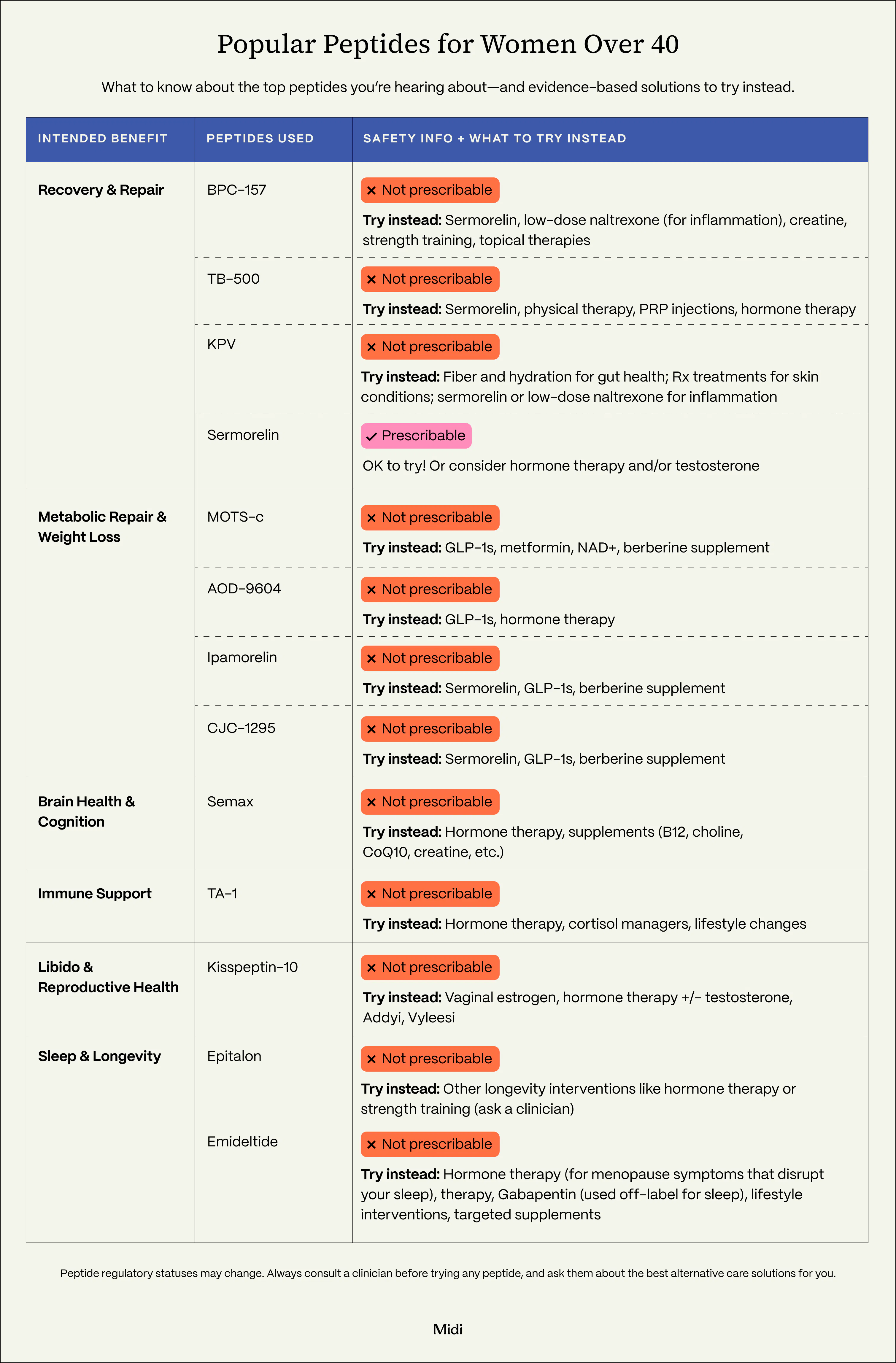
Right now, most people cant get these compounds in a safe, controlled manner, so they get them however they can, says Husain
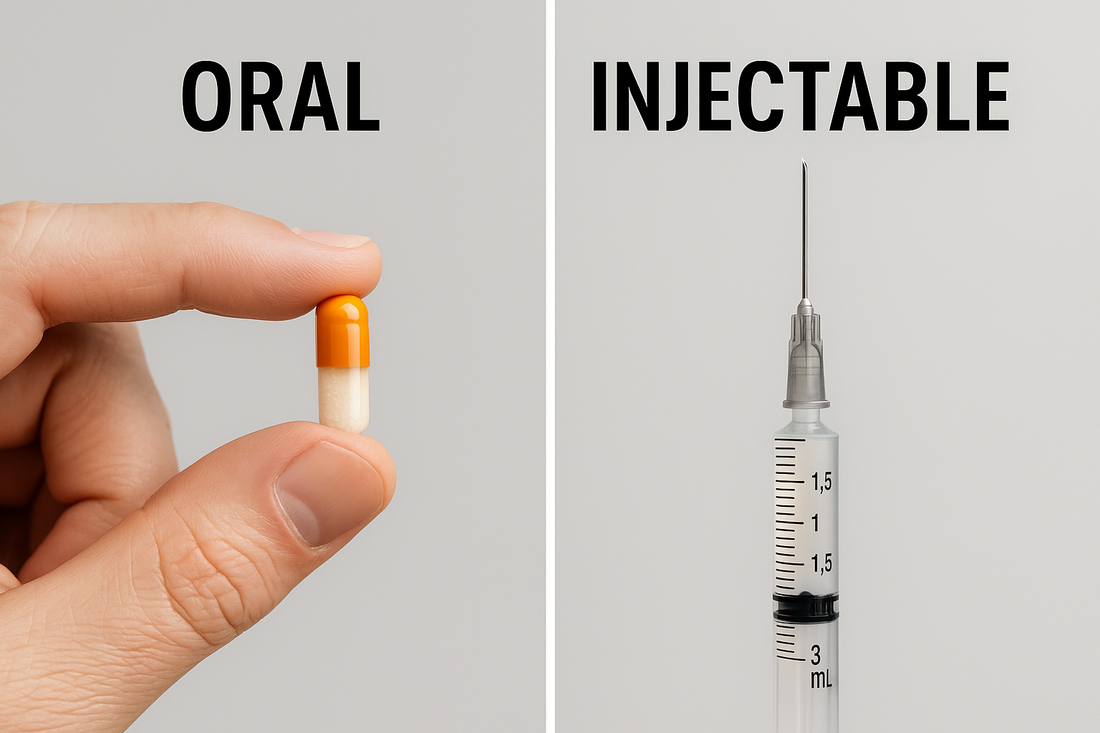
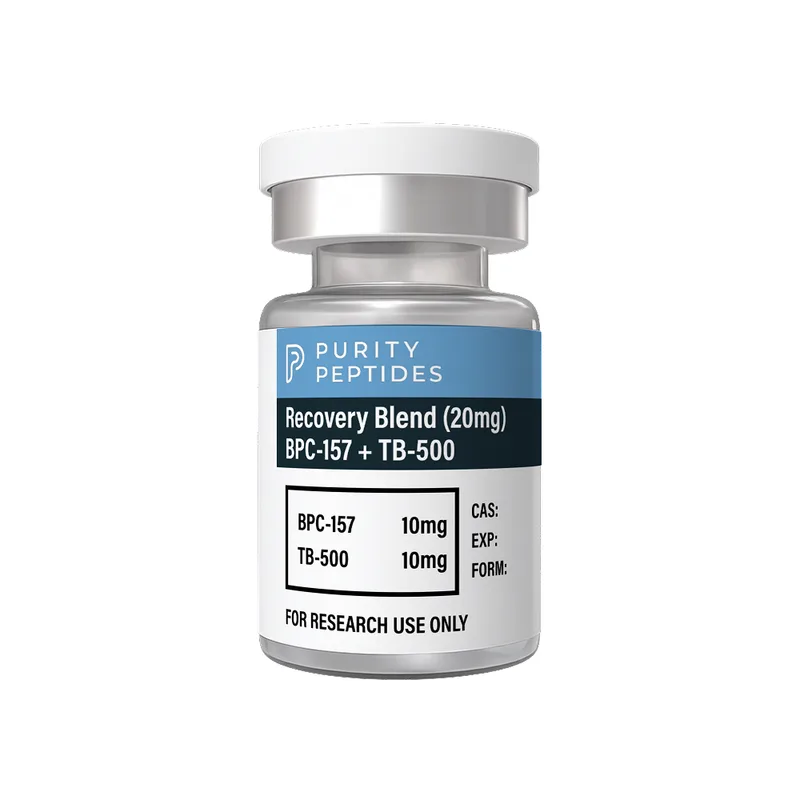
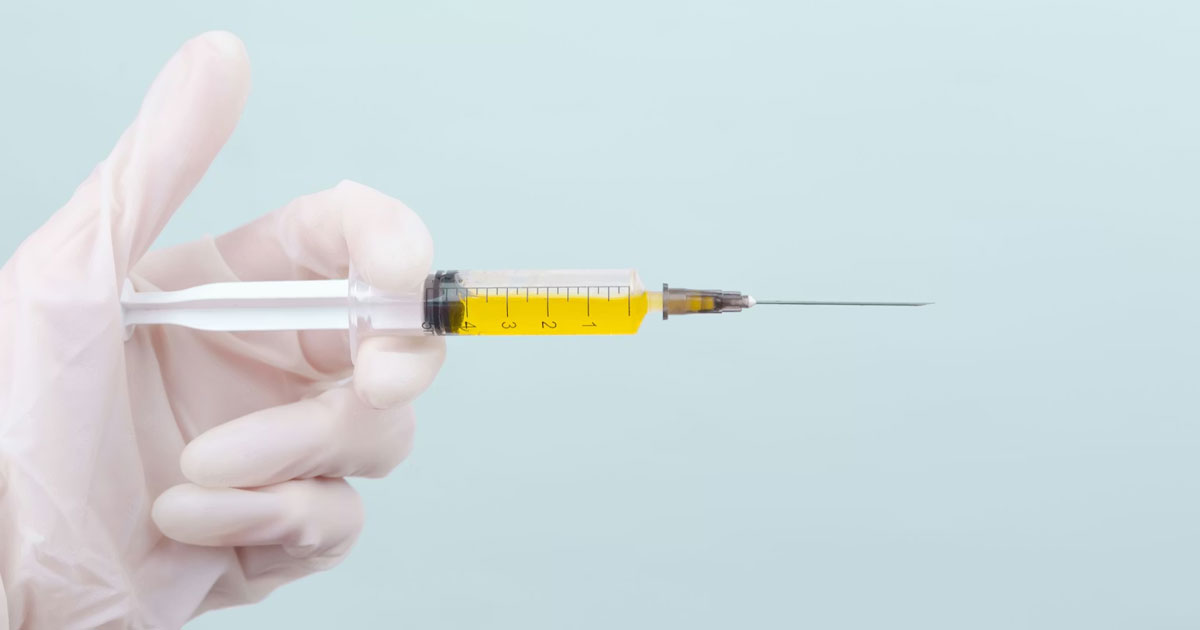
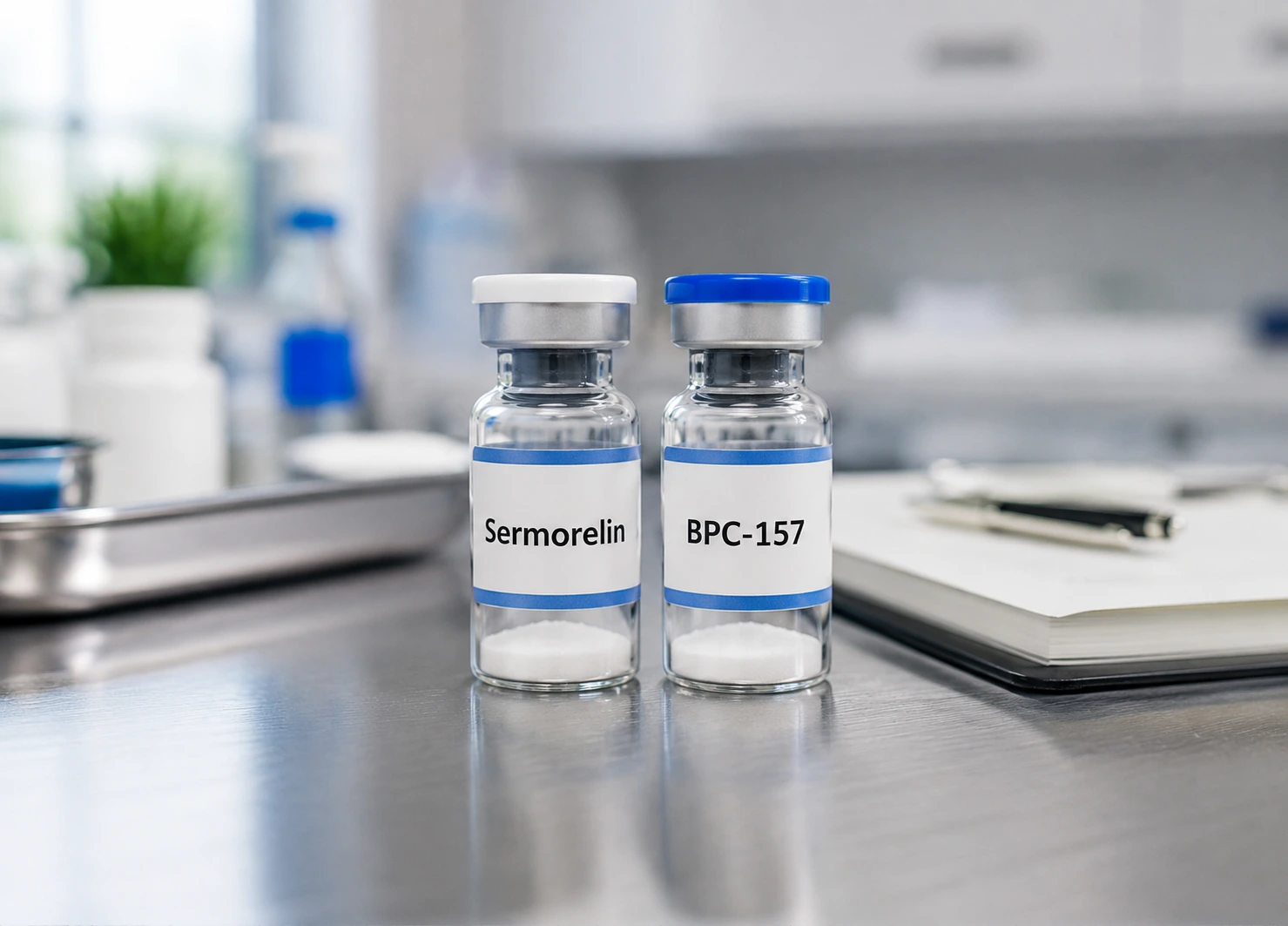
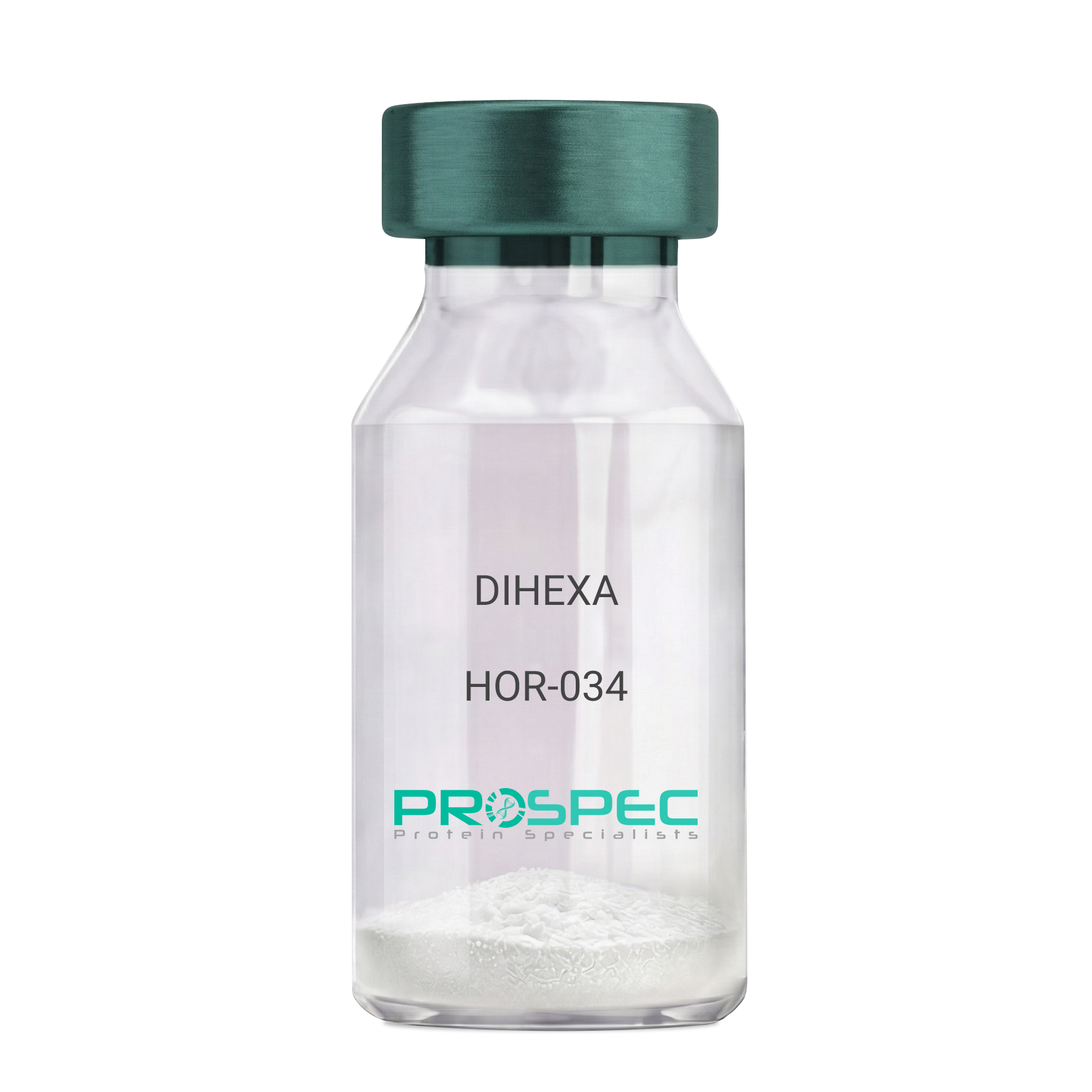
Injectable BPC-157 (lyophilized powder) Best for: Muscle, tendon, ligament injuries Joint pain and inflammation Systemic healing Skin wounds and tissue damage Fastest, most direct results How it comes: Freeze-dried white powder in sealed vial Typical sizes: 2mg, 5mg, 10mg per vial Requires reconstitution with bacteriostatic water Must refrigerate after mixing Advantages: Higher bioavailability (more gets into bloodstream) Can inject near injury site for localized healing Works for all BPC-157 uses Faster results typically Disadvantages: Requires needles and injection More intimidating for beginners Needs reconstitution knowledge Must store refrigerated after mixing See our BPC-157 complete guide and BPC-157 benefits for background