If you are using an E-Cigarette like the SMOKO cigalike style vape you will find that the nicotine levels are going to be higher, ranging from 1.1% to 2%
Romy, who cleans homes by day and lip-synchs by night, has been living full-time as a woman for years
They have emerged as a novelty product in the vaping market, and if you are curious whether they are worth trying or worth avoiding, the honest answer requires understanding exactly what happens inside your nasal passages when you use one
Anyone replacing disposable lighters with a reusable option
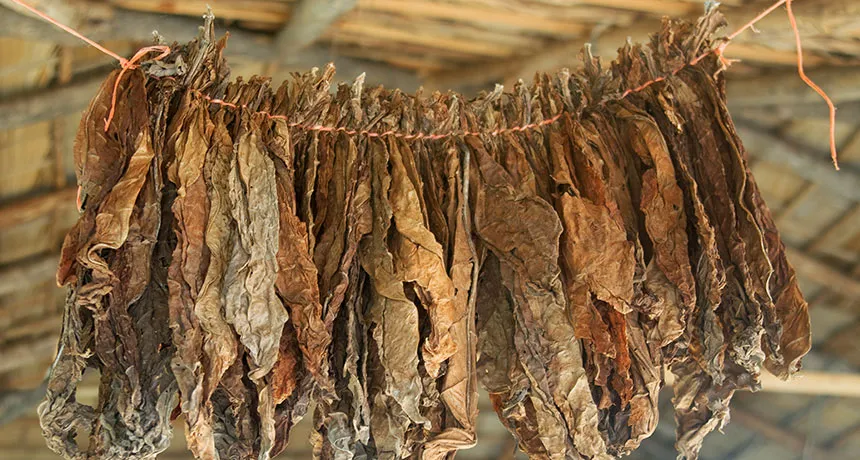
Origins date back to the time Columbus discovered the "New World" Traditionally used as filler and binder plant Grown under direct sunlight to amplify the variety and intensity of flavors For generations, the Criollo plant produced 4 of the 5 leaves in a "Havana" cigar Corojo wrapper leaves are the 5th Produces 6 to 7 pairs of leaves Ligero: leaves at the top of the plant are the strongest and fuller flavored, due to direct sunlight (Heavier Sun = Heavier Tobacco) Leaves toward the bottom of the plant are more subtle in flavor and strength Seco: used as filler Capote: used for binder Volado: used as filler Outside of Cuba [and the Criollo Varietal], tobacco plant leaves are generally classified, from top to bottom, as: CORONA - LIGERO - VISO - SECO - VOLADO COROJO Developed in 1930s by Diego Rodriguez Derived from the Criollo seed through selective breeding Named after its birthplace, the farm Santa Ines del Corojo in the Vuelta Abajo region Premiere wrapper for Cuban Cigars until 1990s Primarily grown under shade for wrappers Weakness: still susceptible to Blue-Mold, Black Shank, and other Tobacco ravaging diseases Produces 8 to 9 pairs of leaves Praised for its dark brown (colorado) color, uniformity, thin veins GENERAL In General, outside of Cuba, these plant classifications apply




/https://tf-cmsv2-smithsonianmag-media.s3.amazonaws.com/filer/9b/79/9b798e23-db10-4f51-a388-4bdd09adf94a/https___collectionsnmnhsiedu_media__irn11098267.jpg)