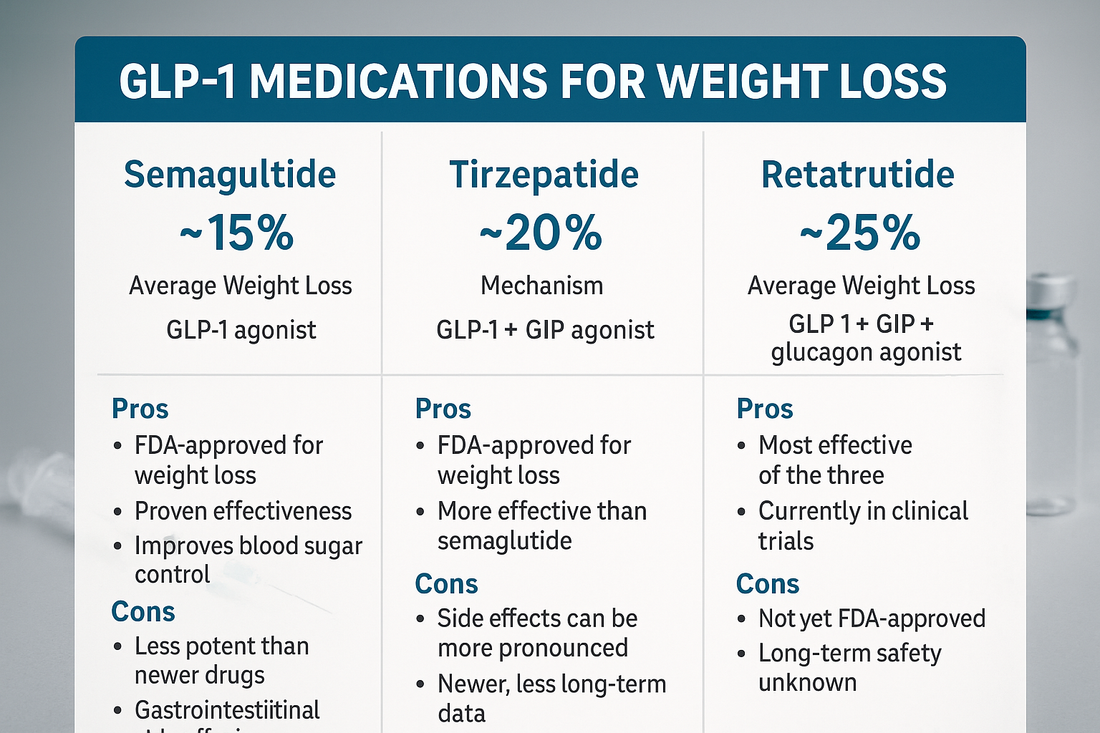
Also, GLP1 is a potent insulin secretagogue.It plays a major role in the enteroinsular axis, accounting, for example, for the finding that plasma insulin levels accompanying oral intake of glucose are greater than those observed when glucose is given intravenously

The wound healing cascade and GHK-Cu: Normal wound healing occurs in four overlapping phases: Hemostasis clotting Inflammation immune cell recruitment Proliferation new tissue formation Remodeling scar maturation GHK-Cu appears to favorably influence phases 2, 3, and 4 simultaneously: In the inflammatory phase , it reduces pro-inflammatory cytokines (IL-6, TNF-) while preserving necessary immune signaling In the proliferative phase , it stimulates keratinocyte migration and fibroblast proliferation, accelerating epithelial coverage In the remodeling phase , it promotes type I collagen deposition over type III (scar) collagen, leading to better scar outcomes This multi-phase tissue repair activity makes GHK-Cu a compound of interest when studied alongside other regenerative peptides

Relative to adults, children demonstrate more widespread and prolonged cerebral swelling and increased metabolic sensitivities following a head injury, and these physiological changes may result in more apparent (i.e., more severe and persistent) symptoms (Biagas et al., 1996
Claudin-2 expression increases tumorigenicity of colon cancer cells: role of epidermal growth factor receptor activation
Depending on your individual goals, peptide therapy offers a personalized, targeted approach to support recovery, body recomposition, metabolic health, cognitive performance, and overall wellness






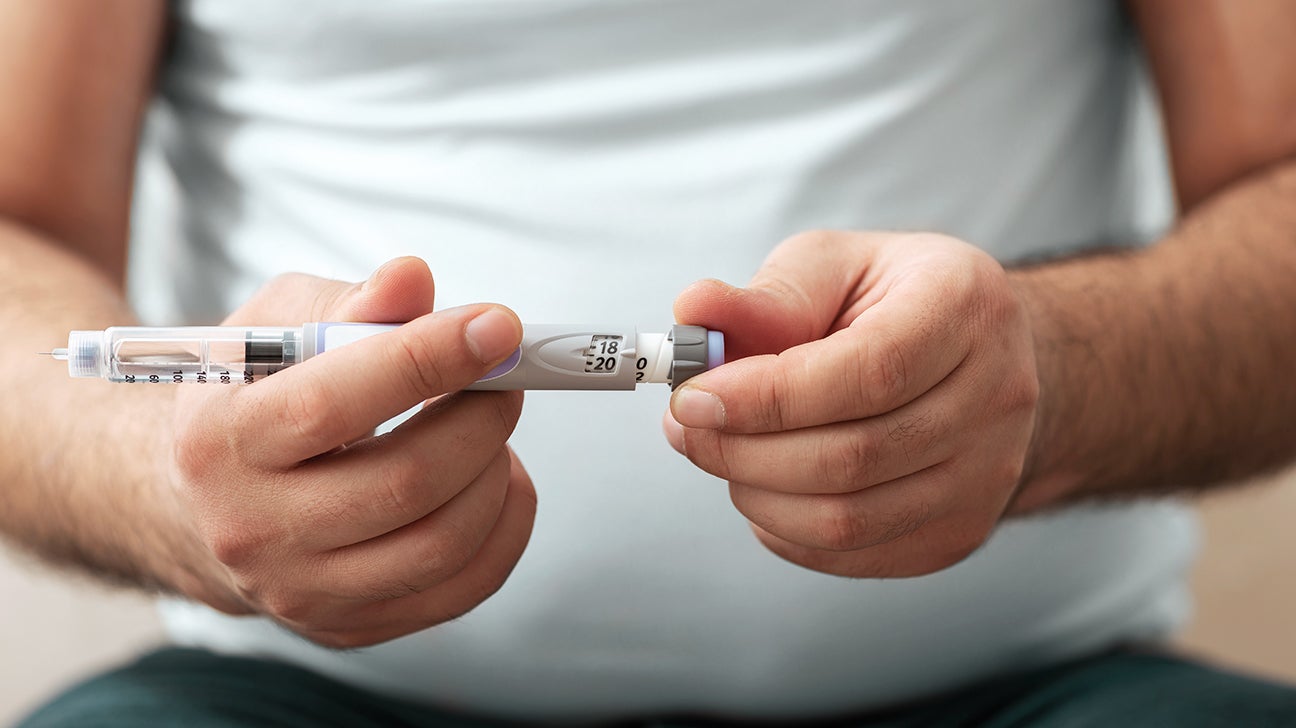

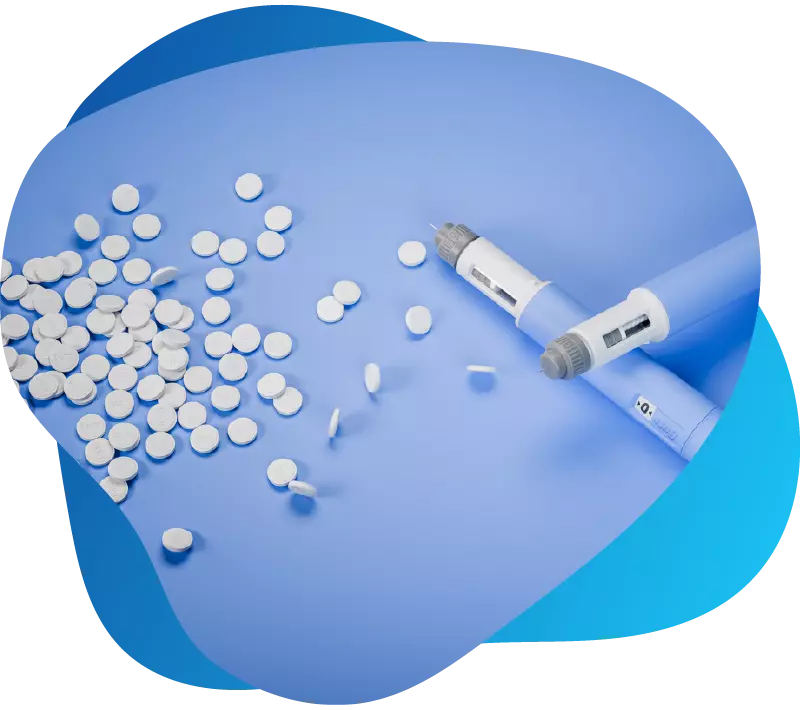


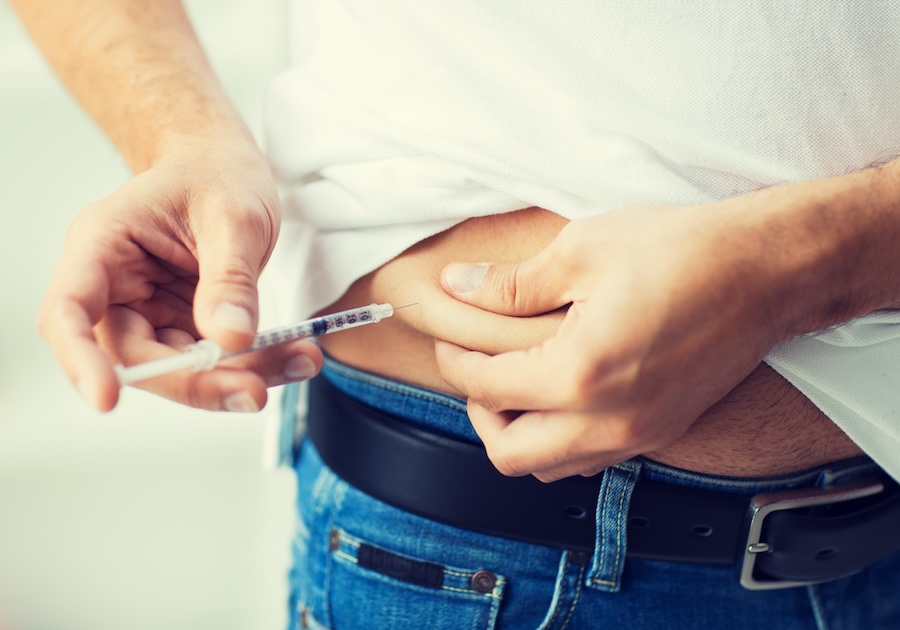



:max_bytes(150000):strip_icc()/health-GettyImages-2025836701-ce3f5ccf0f98428e9d14abaeb07ba307.jpg)