438 Components of subtypes of these channels are upregulated in rodent DRG cells displaying neuropathic pain
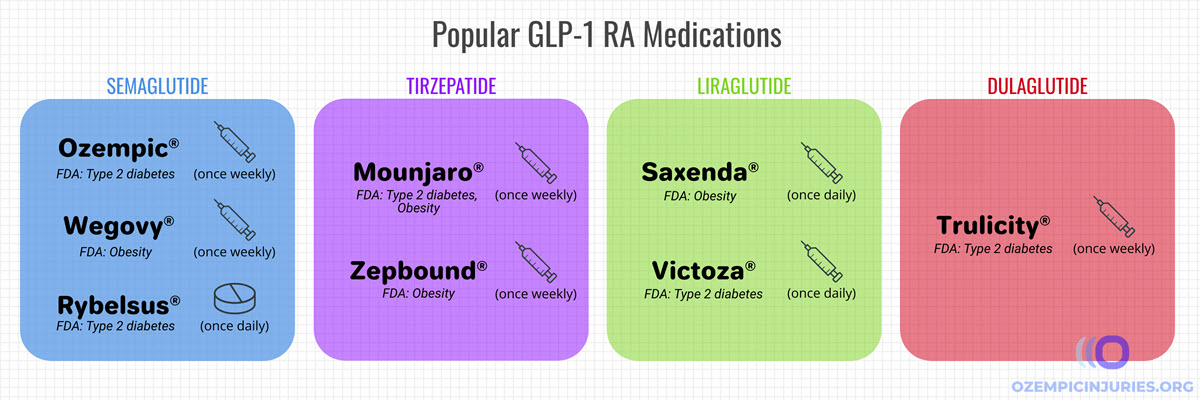
Monitoring requirements Qsymia requires more routine monitoring than GLP-1 medications: Monthly pregnancy tests for women of childbearing age Regular heart rate monitoring Periodic blood work for bicarbonate levels (metabolic acidosis screening) Kidney function tests Mood and cognition assessment GLP-1 medications generally require less intensive monitoring, though periodic blood work to check pancreatic enzymes and kidney function is still recommended
Antioxidants, such as vitamin C, vitamin E, carotenoids, selenium, zinc, polyphenols, coenzyme Q10, and probiotics, play vital roles in mitigating the negative effects of oxidative stress on adrenal hormone balance
Your prescribing physician can evaluate your individual ulcer risk and gastrointestinal history to recommend the safest approach
Antimalarial chemotherapy: mechanisms of action, resistance, and new directions in drug discovery